
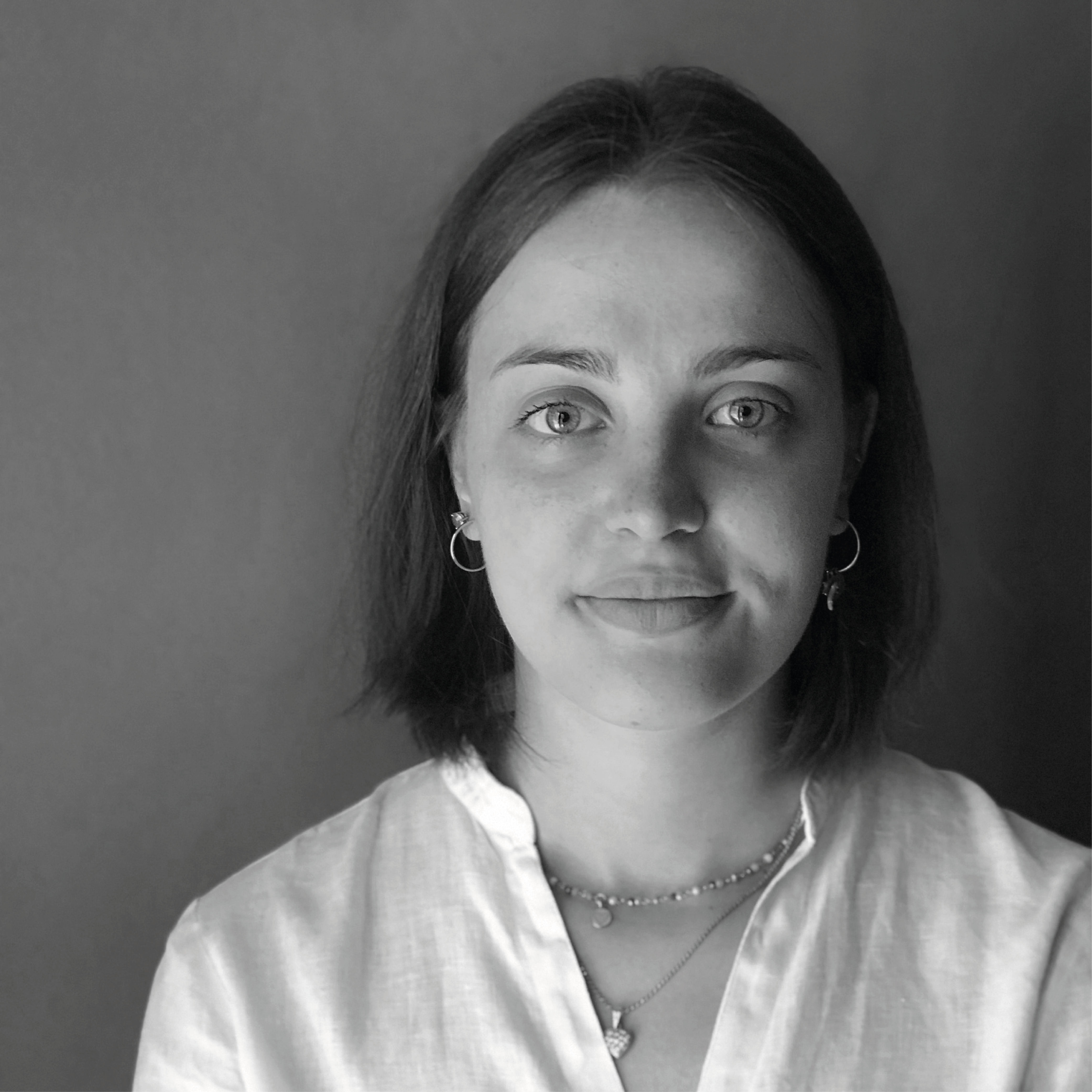
Sara Viviani
Contatti: sara.viviani@unifi.it
Sito web
Bio
PhD in Design, with European Doctorate Mention. She conducts design research activities at the Innovation in Design & Engineering Laboratory, Department of Architecture, University of Florence. During her doctoral studies, she was a Visiting PhD Student at the Service Design Lab, Aalborg University.
Her research focuses on the design and innovation of product-service systems in social, active, and sustainable mobility, aligning with principles of proximity, walkability, cyclability, intermodality, and micromobility. She researched user mobility behaviours and consumption patterns to support the acceptance, adoption, and responsible use of emerging personal mobility technologies. Currently, she conducts design research activities on space architectures and infrastructures and on lunar and Martian surface mobility systems to support long-term human presence, with a focus on sustainability, habitability, and modularity.
Interessi scientifici
Her research interests focus on ecosystemic approaches to mobility through Design Research, Design Thinking, Future Studies, Theory of Change, Behavioural Design, Human-Centred Design, Research Through Design, Research Through (Co)Design, and Participatory Co-Design.
Titolo della tesi
Design for movability in a changing behaviour vision. Design-oriented behavioural strategies for a product-service system research agenda in support of emerging active and sustainable urban mobility models.
Tutor:
Prof.ssa Alessandra Rinaldi
Co-tutor
Prof. Daniele Busciantella-Ricci; Prof. Nicola Morelli (Aalborg Universitet - Department of Architecture, Design and Media Technology)
Abstract
The current urban mobility paradigm is undergoing a significant shift. Extensive studies in the literature highlight the importance of addressing urban mobility challenges related to green, digital, and social transitions. Concurrently, the lack of technological acceptance and sustainability awareness among users has emphasised the need for targeted actions on “human values towards the environment and in patterns of behaviour and consumption” to sensitise people to adopt new personal and green urban mobility solutions in their daily displacements. In this research context, the PhD’s overarching objective is to orient people's mobility behavioural intentions towards active and sustainable urban mobility styles through a social change process enabled by behavioural design strategies. The PhD work defines a conceptual framework correlating three core research topics — sustainable mobility, health and wellbeing, and behavioural change — with design research approaches – Design thinking, Design-orienting scenarios method, and Darnton’s Nine principles - enabling the social change process. Notably, the PhD work draws on a critical literature review, exploratory case study research, and research through design activities, setting the basis for defining the following results: (i) the Behavioural Design for Movability (BDxM) conceptual framework; (ii) the BDxM research through (co)design process, as an operational research model for further and forthcoming research; (iii) the BDxM systemic codesign toolkit that enable the scalability of the entire work; (iv) the BDxM product-service system research agenda; and (v) the BDxM Theory of Change as a communication tool strategically outlining the overall drivers of change to achieve the research challenges.
Ultimo aggiornamento
19.07.2026